
Aurangzeb retained the throne for almost 50 years. He spread the extent of Mughal Empire to the entire Indian sub continent barring the southernmost tip of India. However, his constant battles and wars overextended the empire alarmingly and isolated from the Rajput allies. The subjects and citizens showed resentment but no one had the power or strength to do a revolt. The religious policies of Aurangzeb widened the gap between Hindus and Muslims. He had a very strong hand and is generally considered to be the last successful Mughal emperor.
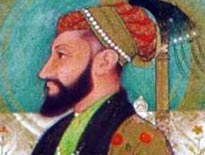 Aurangzeb was a simple man who led a pious life. He never touched
alcohol and led a simple life. His predecessors were lavish in their
lifestyle and collected anything that was beautiful, precious and
unique. Aurangzeb did not like architecture and not many monuments are
credited to him. Aurangzeb disliked music and banned any form of music
or dance in his kingdom. Most of his life was spent on the battlefield
conquering territories and trying to conquer the Deccan.
Aurangzeb was a simple man who led a pious life. He never touched
alcohol and led a simple life. His predecessors were lavish in their
lifestyle and collected anything that was beautiful, precious and
unique. Aurangzeb did not like architecture and not many monuments are
credited to him. Aurangzeb disliked music and banned any form of music
or dance in his kingdom. Most of his life was spent on the battlefield
conquering territories and trying to conquer the Deccan. Though Aurangzeb was an able warrior and fiercely protected his territories, his weakness was that he was too strict and cruel. He never committed injustice and remained a just ruler. However, his state policies and way of ruling only angered the citizens and they turned against him. His constant warfare and waging battles emptied his treasures and slowly the Mughal Empire started to go towards its decline. By the time he reached 90 years of age, he realized he had committed many sins and led the life of an ascetic. He died on 3rd March, 1707 and was buried in a modest tomb.

